 Doilies Make the Difference – Video
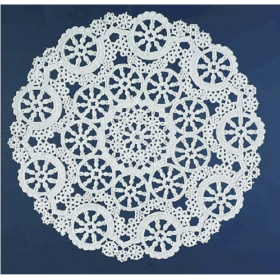 Lace Paper Doilies
Royal Brites® Projects
What Makes a Science Fair Display Stand Out
Science Fair Display Boards: Poster Board Sizes, Layout Ideas & Design Tips That Get Noticed
Science fairs are about more than experiments they’re about how clearly and confidently ideas are presented. A well-designed science fair display board can make the difference between a project that’s overlooked and one that truly stands out.
From choosing the right poster board size to organizing content visually, every detail matters. Here’s what makes a science fair display effective and how to build one that gets noticed.
1. Choosing the Right Poster Board Size
One of the most common questions parents, students, and teachers ask is: what size is a poster board for a science fair?
The most widely used and accepted option is the standard poster board size: 22 x 28 inches. This size offers enough space to present information clearly without overwhelming the viewer.
Common Science Fair Board Sizes
- 22 x 28 poster board – standard, easy to display, widely accepted
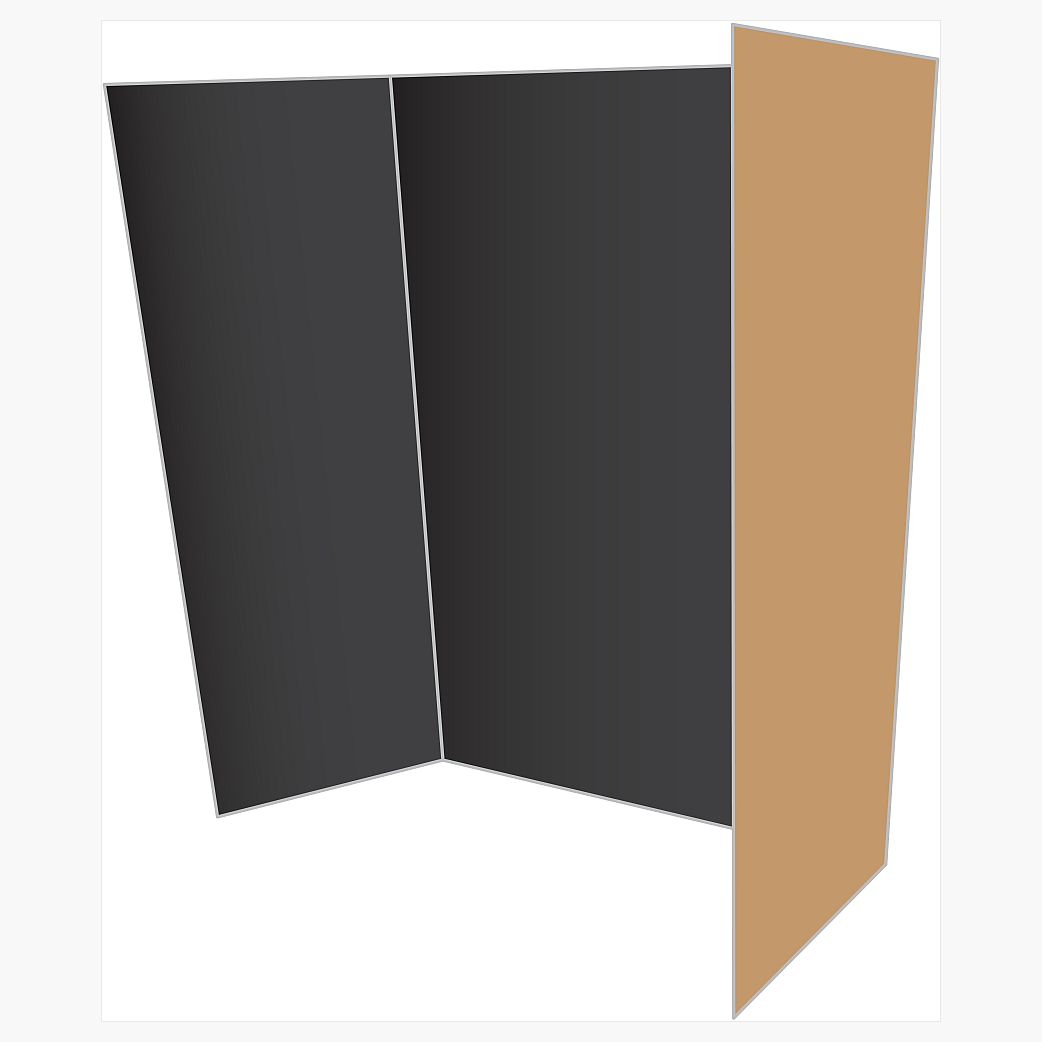
- Tri-fold poster board (22 x 28 folded) – creates structure and guides the reader’s eye
- Larger project boards (36 x 48) – ideal for advanced or detailed projects
Choosing the correct poster board dimensions helps ensure your project fits display tables and science fair guidelines.
2. Why Tri-Fold Science Boards Work So Well
A trifold science fair board is one of the most effective formats because it naturally organizes information.
Typical Tri-Fold Layout
- Center panel: Project title, hypothesis, main results
- Left panel: Question, research, materials
- Right panel: Data, charts, conclusion
This structure makes it easy for judges and visitors to understand the project in seconds an important factor in crowded science fair environments.
3. Clear Layout Beats Decoration Every Time
A standout display isn’t about adding more it’s about showing information clearly.
Best practices for science fair display boards:
- Use short sections and clear headings
- Leave enough white space
- Avoid cluttering the board with too much text
- Use charts, diagrams, and images where helpful
A clean layout on a quality project board instantly looks more professional and easier to follow.
4. Poster Board Thickness and Quality Matter
Another frequent question is how thick is poster board?
Thickness affects durability, especially if the board is transported or handled often.
High-quality poster boards:
- Stay upright without bending
- Hold charts and photos securely
- Look smooth and professional under bright lights
Many schools and fairs recommend sturdy, heavyweight boards for better presentation and stability.
5. Color Choice Can Make or Break Visibility
While bright colors can be eye-catching, readability always comes first.
Tips for choosing poster board colors:
- White or light-colored boards work best for charts and text
- Dark text on light backgrounds improves contrast
- Neon boards are best used for accents, not full displays
A balanced color choice helps your science project look organized and intentional.
6. Building a Strong Science Fair Display Starts with the Right Board
No matter how good the experiment is, the way you present it strongly shapes how people perceive it. Using the correct poster board size, a clear layout, and a durable board creates a strong foundation for success.
At The Royal Store, you’ll find:
- Standard poster boards (22 x 28)
- Tri-fold project boards
- Sturdy display boards for school and science fairs
Designed for clarity, durability, and professional results.
Final Thought
A science fair display that stands out isn’t about being flashy—it’s about being clear, well-structured, and easy to understand. With the right poster board size, a thoughtful layout, and quality materials, your project has everything it needs to shine.
Visit iClicknPrint, see our templates, and make your project using our powerful data merge feature.
You may also like

Royal Consumer Products®
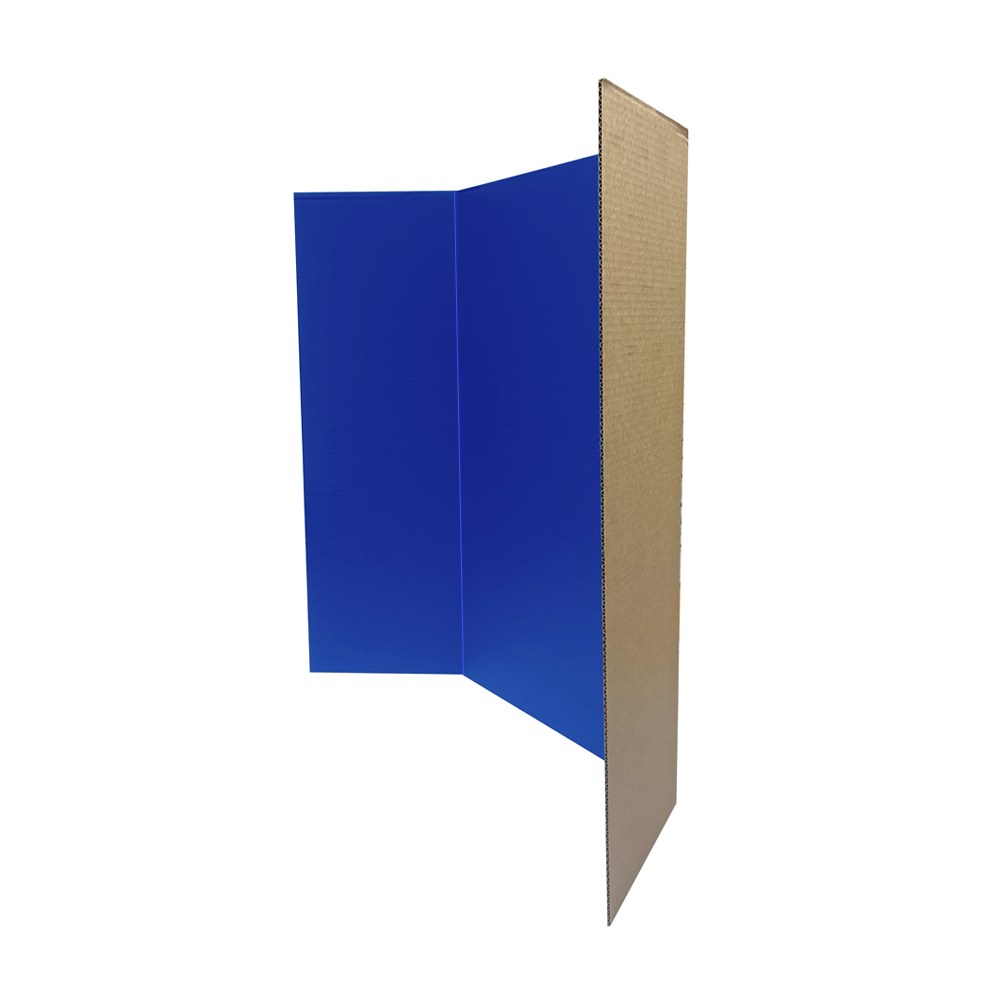
Blue/Kraft Tri-Fold Project Board, 36″x48″, 12/case by Royal Brites®

Royal Consumer Products®
Acclaim Blue Ribbon Award Certificate Kit,8.5″x11″ by Geographics®

Royal Consumer Products®
Attention Grabbers – Party Stickers, 50/Pk, 10 Pks/Case by Royal Brites®

Royal Consumer Products®
Glitter Glam Poster Board 5 Assorted Colors, 11″x14″ by Royal Brites®

Royal Consumer Products®
Helical Certificate Kit, 8.5″x11″, 25/pack, 6 packs/case by Geographics®
Royal Consumer Products®
Frequently Asked Questions
What is the best poster board size for a science fair project?
The standard 22" × 28" poster board is the most commonly accepted size for science fair projects. For more detailed presentations, many students choose a tri-fold display board or a larger 36" × 48" project board, depending on the event requirements.
How should a science fair display board be organized?
A well-organized science fair display typically includes the project title, question or hypothesis, research, materials, procedure, results, charts, and conclusion. Arranging information in a logical order makes it easier for judges and visitors to follow your project.
Why are tri-fold display boards popular for science fairs?
Tri-fold display boards provide separate panels that naturally organize information while allowing the board to stand securely on a table. This layout improves readability and creates a more professional presentation for science fair projects.
What should I avoid when designing a science fair display?
Avoid overcrowding the board with long paragraphs, excessive decorations, or too many colors. Keeping text concise, using clear headings, and leaving enough white space helps your project look organized and easy to understand.
What materials work best for a science fair display board?
Heavyweight poster boards, tri-fold project boards, printed charts, photos, graphs, adhesive letters, and quality mounting materials create durable, professional-looking science fair displays that hold up throughout the event.
Can I use templates to design a science fair display board?
Yes. Using pre-designed templates can help you organize sections consistently, align text and graphics, and create a polished layout while saving time during the project preparation process.
How can I make my science fair project stand out without spending a lot of money?
Focus on a clear layout, readable text, accurate charts, quality poster board, and neat presentation rather than expensive decorations. Judges are more likely to notice projects that communicate ideas clearly and professionally than displays with excessive embellishments.
